


How to Make Your Hotel Appear in ChatGPT, Gemini and AI Overview Search Results
July 20, 2026
Estimated Read Time: 8 minutes
Table of Contents
1. How AI Travel Search Actually Works2. Traditional SEO vs AI Search Optimization
3. What AI Systems Need to Trust Your Hotel
4. What Generative Engine Optimization Means for Hotels
5. Why Most Hotels Are Still Invisible in AI Search
6. Where a Digital Marketing Partner Makes the Difference
7. FAQs
Key Takeaways
- Your Google Business Profile is foundational for Google, Maps and Gemini-led local discovery. Keep hotel details, amenities, photos and contact information updated.
- Reviews on one platform are not enough. AI systems look for a wider pattern of guest trust across Google, Tripadvisor, Facebook, OTAs and other credible platforms.
- Your hotel name, address and phone number need to be consistent everywhere. Variations across listings can weaken trust.
- Schema markup helps search engines understand your website more clearly. It does not guarantee AI visibility, but it reduces ambiguity.
- Third-party mentions, press coverage, local awards, travel blogs and OTA features help build the proof AI systems need.
- Generative engine optimisation is not a hack. It is the work of making your hotel easier to identify, understand, verify and recommend.
Something has shifted in how people plan trips.
Travellers used to Google “best resorts in Goa” and scroll through results. Now they open ChatGPT, Gemini or another AI search tool and ask for a direct recommendation. They want a shortlist. They want a reason. They want the answer without opening ten tabs.
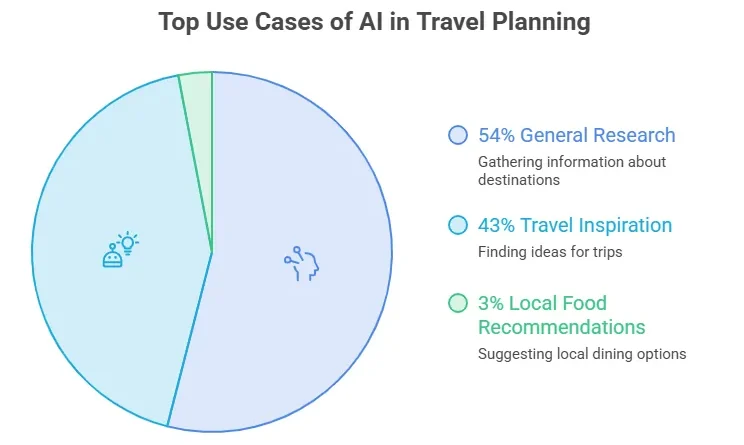
This is not a future trend anymore. McKinsey reported that among travellers using AI for planning, general research is the top use case at 54%, followed by travel inspiration and local food recommendations at 43%. A 2026 study comparing Google Search, Gemini and AI Overviews also found that AI Overviews appeared for 51.5% of representative real-user queries, showing how quickly search is moving from link lists to generated answers.
If your hotel is not part of that answer, you may be losing guests before they ever reach your website. This does not mean traditional SEO for the hotel industry is dead. Google’s own guidance on optimising for generative AI features clearly says SEO best practices still matter. What has changed is the shape of discovery. Hotels now need to build a digital presence that search engines, AI systems and guests can all understand.
The goal is not to trick AI into recommending your hotel. The goal is to make your property easy to verify, easy to understand and easy to match with the right traveller.
How AI Travel Search Actually Works

Search engines rank pages. AI travel search tries to create answers.
When a traveller asks for a resort in Goa, a boutique hotel in Panaji or a family stay near the beach, AI systems may draw from many signals. These can include your website, Google Business Profile, OTAs, Tripadvisor, reviews, local articles, travel blogs, structured data, social presence and web sources where available.
OpenAI’s own explanation of ChatGPT Search says it can provide timely answers with links to relevant web sources. Google’s AI search guidance also explains that generative AI features are connected to core Search systems, which means crawlable, useful and well-structured content still matters.
This is why AI search optimisation is not only about adding keywords to a page.
It is about building a clear digital identity for your hotel. AI systems need to understand basic facts first. What is your hotel called? Where is it located? What kind of property is it? Who is it best suited for? What rooms and amenities does it offer? What do guests repeatedly say about it? Are credible websites mentioning it?
If the online picture is thin, outdated or inconsistent, AI systems have less reason to include your hotel in a recommendation.
Traditional SEO vs AI Search Optimization
Credit – ESPIAL Solutions
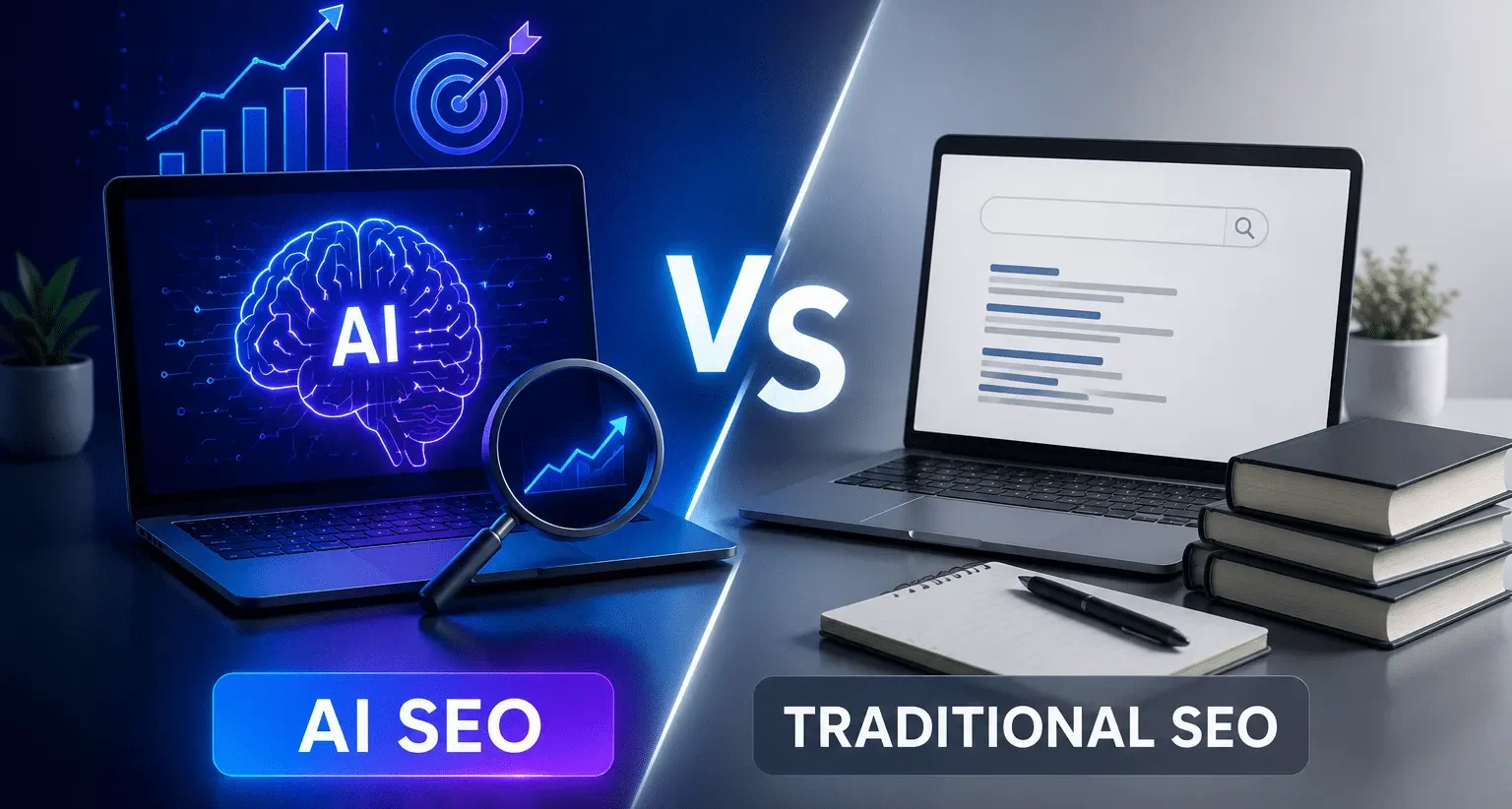
Traditional SEO helps your hotel appear in search results. AI search optimisation helps your hotel become clear enough to appear inside generated answers.
That is the difference.
In traditional search, a guest may see several website links and choose what to open. In AI search, the guest may receive a short answer, a shortlist, a comparison or a recommendation. This reduces the number of websites they need to visit before forming an opinion.
For hotels, this changes the work.
Good rankings still matter. Website speed still matters. Helpful content still matters. But AI visibility also depends on whether your hotel is consistently represented across the web. Your website cannot say one thing, your Google listing another, your OTA pages something else and your social media something vague.
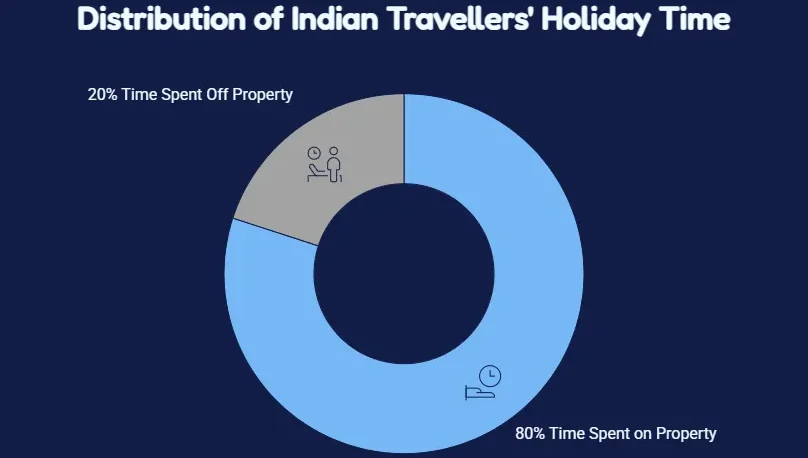
The stay itself is also becoming more important. The How India Travels 2025 report notes that 80% of Indian travellers spend most of their holiday on property, compared to a global average of 51%. That means hotel websites cannot afford to be thin. Guests and AI systems both need to understand the room experience, dining, amenities, location, service style and reasons to book.
AI systems work better when your digital footprint tells one clear story.
What AI Systems Need to Trust Your Hotel
AI systems do not recommend hotels because the hotel has a beautiful logo or a clever caption. They need signals they can read, connect and trust.
Complete Business Information
Credit – Search Engine Journal
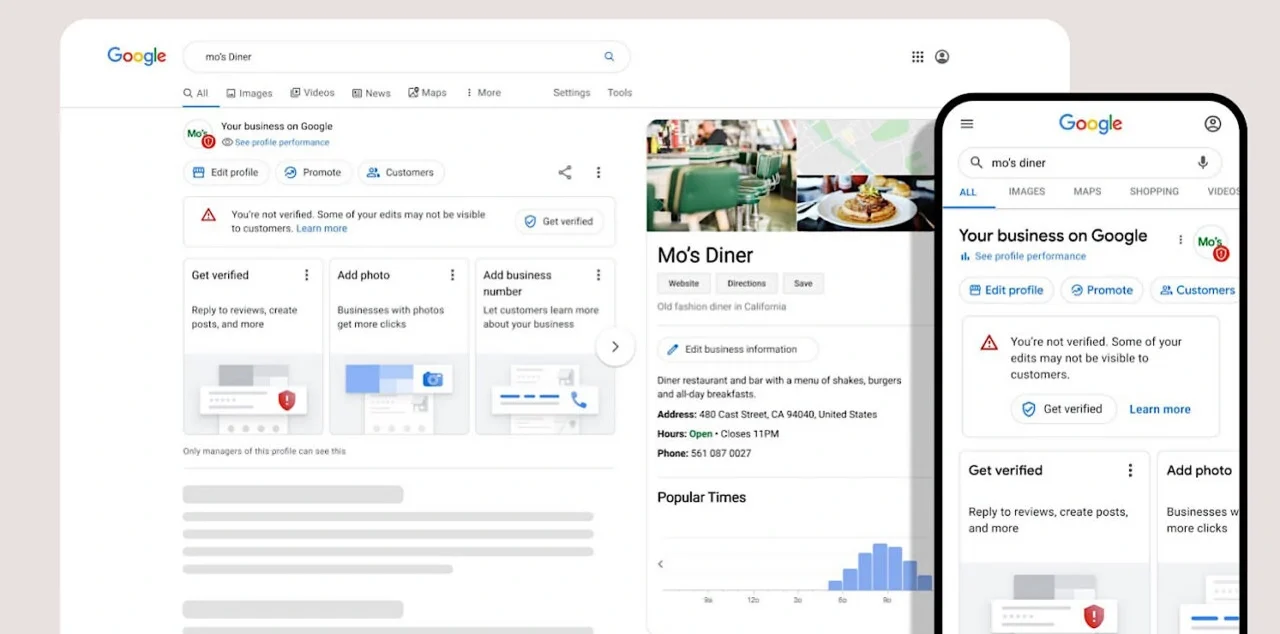
A complete Google Business Profile is one of the strongest starting points for Google and Maps-led discovery. Google’s hotel profile guidance allows properties to manage hotel details, amenities, business information and guest-facing attributes. A hotel with incomplete information, outdated photos or missing amenities is making discovery harder than it needs to be.
Consistency is just as important. Your hotel name, address, phone number, website URL and map pin should match across platforms. Even small differences can create confusion. A hotel may be known by one name on Google, another on an OTA and a shortened version on social media. To a human, this may seem harmless. To a search system, it can create noise.
Guest Reviews and Trust Signals
Guest reviews matter because they give AI systems more context about real guest experience. A hotel with honest feedback across Google, Tripadvisor, Facebook and OTAs gives search engines and AI systems more confidence in what the property offers.
The important word is honest. Hotels should ask guests for genuine feedback after checkout, but they should not offer discounts, benefits or rewards in exchange for positive reviews. Google’s policy on incentivised reviews is clear on this.
Your website is your own claim. Third-party mentions in local newspapers, travel blogs, magazines, OTA features, wedding platforms, tourism portals and credible creator content act as outside proof. For independent hotels and regional hospitality brands, this kind of authority can make a real difference.
Website Content and Technical Clarity
Your website content has to do more than look premium. It should explain your rooms, dining, facilities, location, guest experience and policies clearly. A traveller may ask AI tools very specific questions such as “Which hotels in Goa are good for families near the beach?” or “Which boutique hotels in North Goa have a pool and good food?” If your website does not answer those kinds of questions, AI systems have less useful material to work with.
This is where website design and development cannot be separated from content and SEO. A hotel website has to look good, load well, guide the guest clearly and give search systems enough structured information to understand the property.
Schema markup supports this by helping crawlers understand your website more clearly. It does not guarantee that your hotel will appear in AI answers, but it helps reduce ambiguity. A good digital marketing partner can handle this without turning it into a technical burden for the hotel team.
View this post on Instagram
The challenge is not knowing that these signals matter. Most hotels already know visibility, reviews, listings and content are important. The challenge is making all of them work together consistently across search, social, OTAs, Google, AI platforms and the hotel website.
What Generative Engine Optimization Means for Hotels
Generative engine optimisation is the practice of making your business visible in AI-generated answers.
For hotels, generative engine optimisation means making your property easier for AI systems to identify, understand, verify and recommend in response to travel queries. It builds on SEO, but it is not limited to your website. It includes business listings, reviews, social content, guest feedback, press mentions, schema, blogs, location pages and the way your hotel is described across the web.
This is where hotels need useful content, not just promotional content.
Instagram posts, reels and self-published blogs can all help when they answer real traveller questions and reinforce the property’s strengths. A beach resort should not only post room photos. It should help travellers understand beach access, sunset views, family stays, couple stays, monsoon travel, dining, parking, airport distance and nearby experiences.
A boutique hotel should not only say it is charming. It should explain its design, location, rooms, food, neighbourhood and guest experience clearly. AI systems need substance, not slogans. This is where digital marketing becomes more than posting regularly. It becomes the process of making every public touchpoint reinforce what the hotel is, who it is for and why a guest should trust it.
Why Most Hotels Are Still Invisible in AI Search
Most hotels are not invisible because they are bad properties. They are invisible because their digital presence is incomplete. Their website may have thin room descriptions. Their Google Business Profile may not reflect the actual guest experience. Their photos may be old. Their reviews may sit mostly on one platform. Their name, address and phone number may vary across listings. Their blogs may be generic. Their social media may be attractive but not informative. Their FAQs may avoid the real questions guests ask before booking.
All of this creates a weak digital identity.
AI systems do not recommend hotels because the hotel wants to be recommended. They recommend hotels when enough signals make the property easy to understand and trust. That is why generative engine optimisation and AI search optimisation must be treated as an ongoing visibility system, not a one-time website update. A digital audit can help hotels understand where the gaps are before they start spending on more content, more ads or another website redesign.
Where a Digital Marketing Partner Makes the Difference

Most hotel teams are already stretched.
They are managing bookings, guest experience, staff, operations, OTAs, reviews, events, restaurant service, seasonal demand and daily issues that cannot wait. AI visibility requires a different kind of attention. It needs content, technical SEO, listing consistency, review systems, social media, third-party authority and website optimisation to move in the same direction.
This is where working with experienced SEO companies in Goa who understand hospitality makes a real difference.
Rubiq has spent years working with Goa’s hotel sector. Through hospitality digital marketing solutions, website optimisation, schema implementation, social media, content and channel support, the focus is simple. Make sure the right guests find your property, whether they are searching on Google, asking an AI tool or scrolling through social media posts and reels.
Rubiq also works with hospitality technology through STAAH channel manager support. STAAH works with more than 20,000 properties across 90 countries, with around 400 properties in Goa itself. For hotels, this matters because visibility and revenue are no longer separate conversations. Discovery, booking engines, channel management, reviews, social media and search now influence each other.
Hotels comparing marketing agencies in Goa should look for more than campaign execution. A hospitality-focused partner understands how rooms are sold, how OTAs influence bookings, how seasons affect demand, how reviews shape trust and how guests compare properties before making a decision.
For hotels looking for digital marketing services in Goa that actually move the needle on AI visibility, that industry-specific experience matters.
AI search is already changing how guests discover hotels. Start building your visibility now.
Contact Rubiq to understand how your hotel currently appears across search, social, OTAs and AI-led discovery.
“The entire team at Rubiq is supportive and easy to work with. Communication is smooth, response times are great, and getting help never feels like a hassle. Aloysius especially goes above and beyond, no matter the hour or the day. Genuinely happy to be associated with a company that operates this way. Kudos to the whole team.”
Maya Choudhary ⭐⭐⭐⭐⭐
Google Review
Frequently Asked Questions
Not necessarily. In many cases, the website needs stronger content, better structure, clearer hotel information and technical improvements rather than a complete redesign. A good audit can show whether your current website can be improved or whether it is holding your visibility back.
Yes, AI tools can recommend hotels when they have enough reliable information to work with. Your chances improve when your hotel has a clear website, consistent listings, strong reviews, useful content and credible third-party mentions.
Yes. SEO for the hotel industry is still important because AI search often depends on crawlable, helpful and well-structured web content. What has changed is that hotels now need to optimise not only for rankings, but also for AI-generated answers.
No. A complete Google Business Profile is important, especially for Google and Maps-led discovery, but it is not enough on its own. Your website, reviews, OTAs, social presence, schema and third-party mentions all contribute to the larger picture.
Yes. Reviews help AI systems understand guest experience, trust signals and repeated strengths. Hotels should ask guests for honest reviews after checkout, respond professionally and build feedback across more than one platform.
No. Schema does not guarantee AI visibility. It helps search engines understand your website more clearly, but it works best when supported by strong content, consistent listings, reviews and credible third-party references.
Content that answers real guest questions is more useful than generic promotional writing. Room guides, location pages, dining content, wedding pages, family stay pages, seasonal blogs, attraction guides and FAQs can all help when they are written clearly and kept updated.
Yes, but they need clarity and consistency. A small hotel with strong reviews, complete listings, useful local content, clear room pages and credible mentions can build enough authority to appear in relevant AI-assisted travel searches.
Yes. Rubiq helps hospitality brands connect SEO, website optimisation, schema, social media content, digital marketing services, STAAH-related channel support and content strategy so the hotel becomes easier to find, understand and trust across search, social and AI-led travel discovery.