


Impact of UI/UX on Guest Confidence and Booking Intent
January 15, 2026
By Rubiq Editorial Team
Rubiq is a Goa-based digital agency founded in 2000, specialising in website design, UX strategy and digital solutions. For over two decades, we’ve built high-performing digital experiences across multiple industries, guided by real user behaviour and the on-ground challenges businesses face every day.
Table of Contents
- Why UI/UX Matters Across Industries Today
- What Users Actually Struggle with Across Sectors
- When Conversions Fall, It’s Often UX — Not Marketing
- Why UI/UX Shapes Trust More Than Branding Does
- A Multi-Industry UX Philosophy for Goa’s Audience
- Why UX Ultimately Creates Booking Intent
- FAQs
Key Takeaways (Quick Read)
- Users judge your professionalism through your website’s behaviour long before they judge your actual offering.
- Slow loading, unclear information and inconsistent visuals directly reduce trust, confidence and booking intent.
- Strong UI can improve conversions by up to 200%, and deeper UX improvements can push that to 400% (Forrester).
- Across industries in Goa — hospitality, healthcare, real estate, F&B, education and services — most drop-offs happen because the experience creates friction, not because interest is low.
- Good UX isn’t decoration; it’s decision science. When a website removes cognitive load, users feel informed, safe and ready to take action.
Why UI/UX Matters Across Industries Today
Across hospitality, healthcare, real estate, education, wellness, F&B, and service sectors, the first real impression happens on a screen. Before a guest checks in, before a parent calls a school, before a buyer speaks to a sales team, before a patient visits a clinic, they’re already forming an opinion based on their digital experience.
And that experience moves fast.
Users judge professionalism from how your website behaves long before they judge what you offer. Slow pages feel unreliable, unclear layouts feel unsafe, and missing information creates friction. As a strategy-first website designing company in Goa, we see this every day across industries: confidence is not built by branding alone but by the behaviour of your interface.
The data reinforces this reality. Think With Google shows that 53 percent of users abandon a mobile site if it takes more than three seconds to load. Meanwhile, Forrester reports that UI improvements can boost conversions by 200 percent, and UX improvements by up to 400 percent. In a high-switching market like Goa, where mobile browsing is dominant and users compare options rapidly, these numbers are not theoretical — they’re lived experience.
What Users Actually Struggle with Across Sectors
Whether someone is booking a room, choosing a school, checking a clinic’s timings, browsing a menu, comparing a real estate project, or scheduling a beauty appointment, the underlying frustrations remain the same. Users abandon when the experience demands too much effort.
They struggle when:
- An offering is unclear
- Essential information feels hidden
- Visuals look inconsistent
- Mobile layout feels broken
- Forms ask for too much
- The flow feels like work
These points are universal across industries. Most users never mention them — they just silently move on to the next option.
What businesses interpret as a “marketing problem” is often a UX clarity problem. When Conversions Fall, It’s Often UX — Not Marketing
Businesses across Goa encounter the same pattern:
- Hotels say guests browse deeply but don’t book.
- Clinics say patients call repeatedly for basic details.
- Schools say parents read everything but hesitate to enquire.
- Restaurants say guests DM for menus instead of checking the site.
- Real estate firms say enquiries come in, but serious buyers don’t follow through.
- Gyms and salons say visitors want packages explained even when they’re displayed.
- Local service providers say people remain unsure about what exactly they do.
If you look at it closely, these aren’t advertising issues. These are decision-friction issues caused by poor UX.
And in a region where users have multiple choices and short attention spans, friction creates drop-offs instantly.
Why UI/UX Shapes Trust More Than Branding Does
Branding introduces you.
UX convinces people to trust you.
When a website behaves well — fast load, clear structure, consistent visuals, transparent information — users instantly feel like the brand behind it behaves well too. This connection is subtle but powerful.
- A real estate website with clear RERA details feels credible.
- A clinic website with visible doctor profiles feels safe.
- A school website with structured curriculum details feels responsible.
- A restaurant website with a readable mobile menu feels professional.
- A salon website with transparent packages feels dependable.
Good UX doesn’t push people toward action; it removes their hesitation.
This is the foundation upon which booking intent grows.
It’s why our work as a website designing company in Goa focuses not on aesthetics alone, but on the emotional and psychological triggers that guide real human decisions.
A Multi-Industry UX Philosophy for Goa’s Audience
Different industries have different anxieties — and UX must dissolve those anxieties.
Hospitality
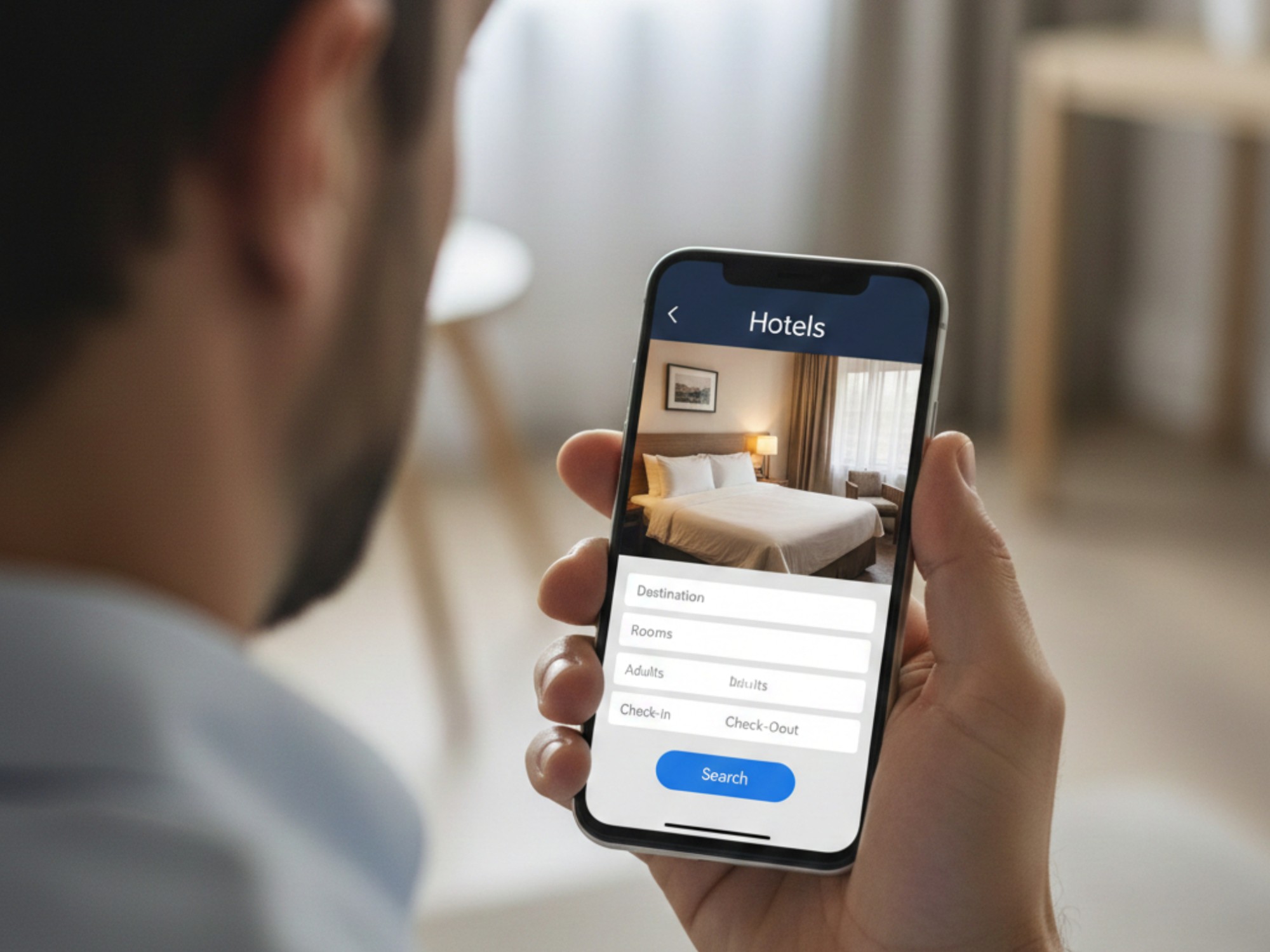
Guests worry: “Will it look like the photos?”
So UX must emphasise real visuals, clear amenities, and a frictionless path to booking.
Healthcare
Patients worry: “Can I trust this place with my health?”
So UX must highlight credentials, pricing, timings, and appointment clarity.
Real Estate
Buyers worry: “Is this legitimate?”
So UX must surface RERA details, approvals, floor plans, and developer credibility early.
Education
Parents worry: “Will my child be safe?”
So UX must present curriculum, faculty, safety, campus visuals, and fees clearly.
Restaurants & F&B
Diners worry: “Will it be worth my time?”
So UX must focus on menus, ambience, and mobile-first readability.
Wellness & Fitness
Clients worry: “Will I get value?”
So UX must clarify packages, pricing, results, and contact options.
Local Services
Customers worry: “Do they actually do what I need?”
So UX must make offerings, pricing, location, and contact options unmistakable.
Understanding these emotional drivers is what separates functional websites from conversion-driven ones.
Why UX Ultimately Creates Booking Intent
People don’t take action because they’re impressed. They take action because they feel:
- Informed
- Safe
- Understood
- Not overwhelmed
- Respected
- Guided
A website that removes cognitive load — rather than adding to it — shifts users from passive browsing into active decision-making. This shift is the heart of booking intent.
It’s why UX is not a design exercise. It’s a behavioural science that happens to sit on a screen. It’s also why businesses that invest in thoughtful UX outgrow their competitors — because their websites behave the way users expect.
And this is exactly what we optimise when we deliver website designing Goa based projects that focus on long-term performance, not just launch-day aesthetics.
FAQs
Q1. Does UI/UX really matter for non-tourism businesses in Goa?
More than people realise. Whether you run a clinic, a salon, a school, or a real estate firm, your website is often the first filter through which people assess trust. If the experience feels scattered or unclear, they assume the business may be equally unorganised. Strong UX gives them the confidence to proceed.
Q2. What parts of a website influence trust the fastest?
The first elements users subconsciously evaluate are load speed, hero clarity, photo honesty, navigation stability and the visibility of trust markers like certifications, reviews or safety details. These small cues shape their emotional comfort within the first 3–5 seconds.
Q3. How can I tell if my website’s UX is hurting conversions?
There are tell-tale signs:
- People calling for basic information.
- Multiple page views with no enquiries.
- Mobile bounce rates that are unusually high.
- Forms that are half-filled but never submitted.
- Visitors asking “Where can I find…” for something that should be obvious.
All of these point to UX friction rather than marketing weakness.
Q4. What is the fastest, simplest improvement I can make today?
Start with clarity and speed. Improve mobile loading, simplify forms, and rewrite your hero section to answer three things instantly — What you offer, for whom, and why it matters.
These changes alone create visible improvement across industries.
Q5. Why should I choose a local website designing company in Goa instead of a larger external agency?
Because digital behaviour in Goa is unique. Seasonality affects browsing patterns. Tourism drives mobile usage. Locals rely heavily on WhatsApp. People compare options rapidly. A Goa-based team understands these nuances and designs UX that feels instinctively right for the region — not just aesthetically pleasing, but behaviourally aligned. This is why choosing a team specialising in website designing in Goa adds strategic advantage.